
Where To Visit And Stay In Zanzibar : Kendwa Vs. Nungwi Vs. Jambiani Vs. Stone Town? Zanzibar is an archipelago in the Indian Ocean that shares a political union with Tanzania. Modern-day Zanzibar is influenced by African, Arab, European, and Indian cultures. It was formerly a major hub for the slave and spice industries.
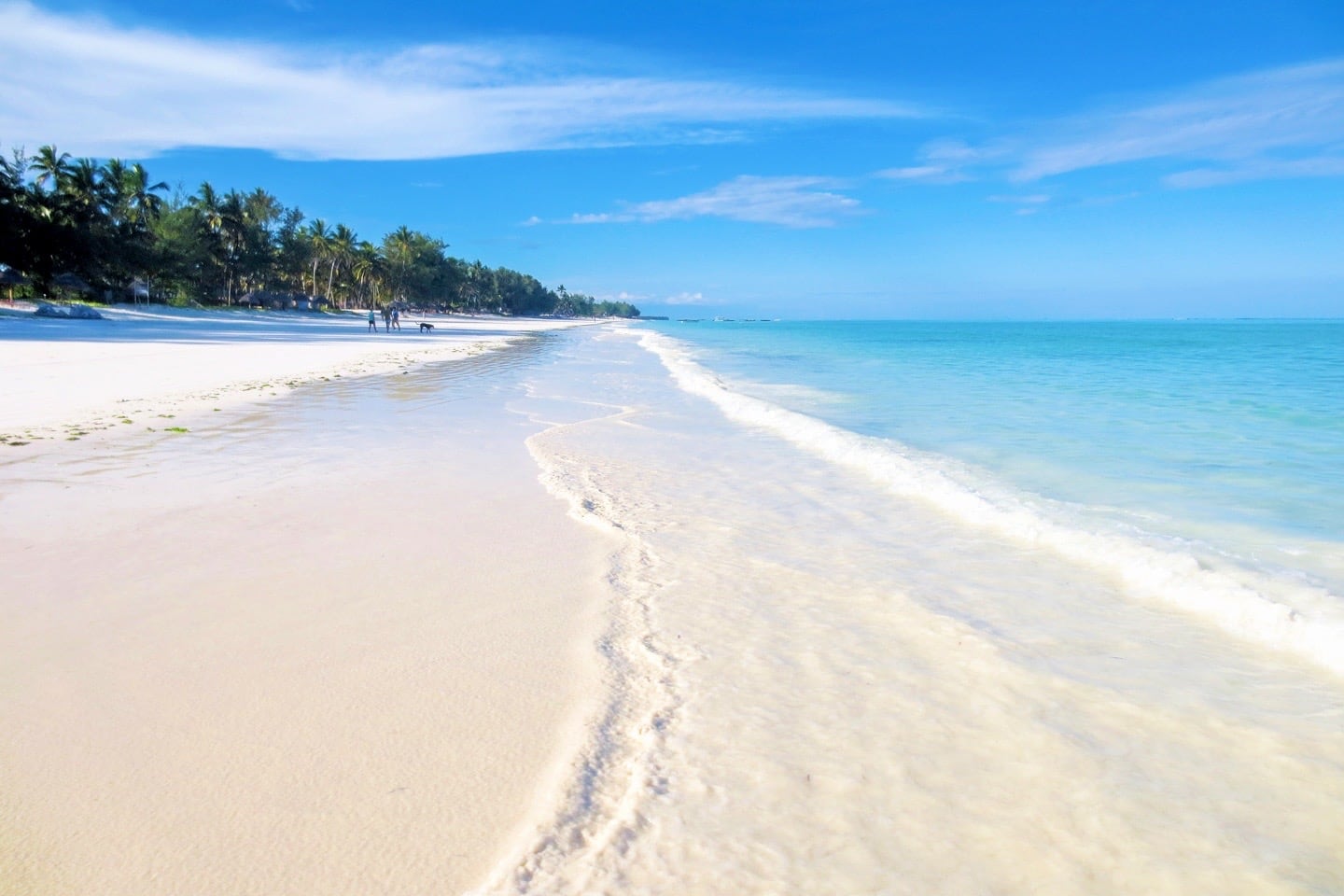
The beaches are Zanzibar’s biggest draw and the reason most visitors come to this island; the azure-blue Ocean and powder-soft sand must be seen to be believed. But the escapism it provides and the slower pace of life you encounter are the actual reasons you tell everyone back home what a wonderful time you had in Zanzibar.
Despite being a small island, Zanzibar has a lot to offer, and where you stay can influence your experience. The shallow seas at Jambiani are the best place to go if you’re not a competent swimmer but enjoy the idea of relaxing on a quiet, remote beach. Nungwi has some of Zanzibar’s liveliest beaches, if you prefer something a little more energetic and less serene. Full moon parties are a huge business here, and the beaches are typically crowded every day with visitors enjoying happy hour while watching the sun set. Last but not least, Stone Town, the capital and largest town in the archipelago, is a fantastic destination for tourists to discover Zanzibar’s historical roots.
JAMBIANI: FOR THE REAL ZANZIBAR
A pleasant little fishing community that is both small and unassuming. It is a stunning length of powdery, soft white sand that practically took our breath away as soon as we stepped onto it due to how picture-perfect it appeared in the glinting morning sun. It is about 6 kilometers long (we can attest to this since we ran 5 kilometers along the coastline). There is a fantastic range of both local and tourist-oriented bars and eateries, and everyone is friendly.
The village is still virtually untouched, so you feel like a member of the community. There are several lovely, rustic lodges along the coast where you can stay just feet from the water. However, the hamlet boasts a lot of tiny, cozy lodging options for a less expensive and more genuine experience. The good example is the new IDDI villa. It’s not the easiest place to find; it’s cheap and cheery, but because of its courtyard location, tasty breakfast, and kind host, it became one of our favorite stops throughout our first month of travel.
As kite surfing, diving, and snorkeling have become increasingly popular around the lagoon, Jambiani has also seen a rise in tourists over the past few years. However, when you go a kilometer out from the shoreline, the water is barely up to your waist due to the exceptionally low tides in the afternoon. So even if you’re not into water sports, you can still have a relaxing time.
NUNGWI: THE TOURIST HOTSPOT
At Zanzibar’s northernmost point, Nungwi is a settlement with a less charming atmosphere. The shoreline here is preferred by most tourists and is arguably the most well-liked (and crowded) beach on the island. It is also a place where you can watch the sunset.
Hippies, tourists, and gap-year students can all be found here enjoying the beach and the high tide in the midst of beachfront activity. There will be more events after sunset if there is more tourism. There is nightlife here, but it doesn’t revolve around flashy nightclubs and glossy districts. Here, it’s all about having a good time on the beach where there are bonfires, flowing drinks, and rocking music, especially if you’re there for a full moon party.
KENDWA: THE ALL-INCLUSIVE PARADISE
Not far from Nungwi, Kendwa offers a more upscale experience in all-inclusive resort-led hotels that compete for space next to one another on the beach (best strolled along the beach during low tide). The water at Kendwa Beach is deep and a stunning turquoise color. In comparison to Nungwi or Jambiani, Kendwa is smaller and less active outside of the hotel complexes.
STONE TOWN: THE CULTURE FIX
Stone Town, the capital of Zanzibar and the largest town in the archipelago, is a must-see and can be easily paired with some beach time. Stone Town, also known as the ‘Old City’ and the cultural center of Zanzibar, was named for the coral stone buildings that were constructed there in the 1800s. This location hasn’t changed much in the last 200 years, making it rich in historical significance.
The city’s 19th-century architecture displays the varied influences of numerous underlying cultures. Stone Town was recognized as a UNESCO World Heritage Site in 2000 as a result of this remarkable fusion of art and history.
Everything in this place combines elements of Arab, Persian, Indian, and European history and culture. This includes the people, brass-studded monuments, hopping Asian markets, marble balconies, carved doors, winding staircases, and beautiful wooden homes. With so many sights to see, it’s typical for tourists to spend a day or two exploring the fascinating and enchanted maze of tiny streets and cobblestone passageways.
There are numerous things to keep you occupied across the island, including the same trips and activities. You can spend your money on a variety of activities here, such as swimming with dolphins in the open sea, visiting monkeys in the center of National Park, viewing giant tortoises on Prison Island, and snorkeling along a coral reef off the north-east coast.

